How to Use a Favicon Generator from Image to Boost Your Brand
Most brands spend weeks perfecting their logo, then slap a blurry 16x16 pixel version on their website. The result? A favicon that looks like digital noise instead of reinforcing brand recognition across browser tabs, bookmarks, and mobile screens.
Key Takeaways
- Start with high-resolution source images (minimum 512x512px) for crisp favicon output
- Test favicon visibility at 16x16 pixels before generating final versions
- Generate the favicon files you need in multiple sizes to cover common devices and browsers
- Validate favicon display across different browsers and devices before launch
- Use simplified versions of complex logos to maintain recognition at tiny sizes
Why Your Favicon Matters More Than You Think
Your favicon appears in browser tabs, bookmarks, mobile shortcuts, and sometimes in search results. It's often one of the first visual touchpoints users have with your brand.
A professional favicon builds instant credibility. When users see a clean, recognizable icon in their browser tab, it signals attention to detail and brand maturity.
Poor favicons do the opposite. Blurry, generic, or missing favicons make even established companies look amateur. This tiny detail affects user perception more than most founders realize.
The technical challenge is real: favicons must remain recognizable when compressed to 16×16 pixels—smaller than many UI icons. Complex logos become unreadable at this scale without careful adaptation.
Understanding Favicon Technical Requirements
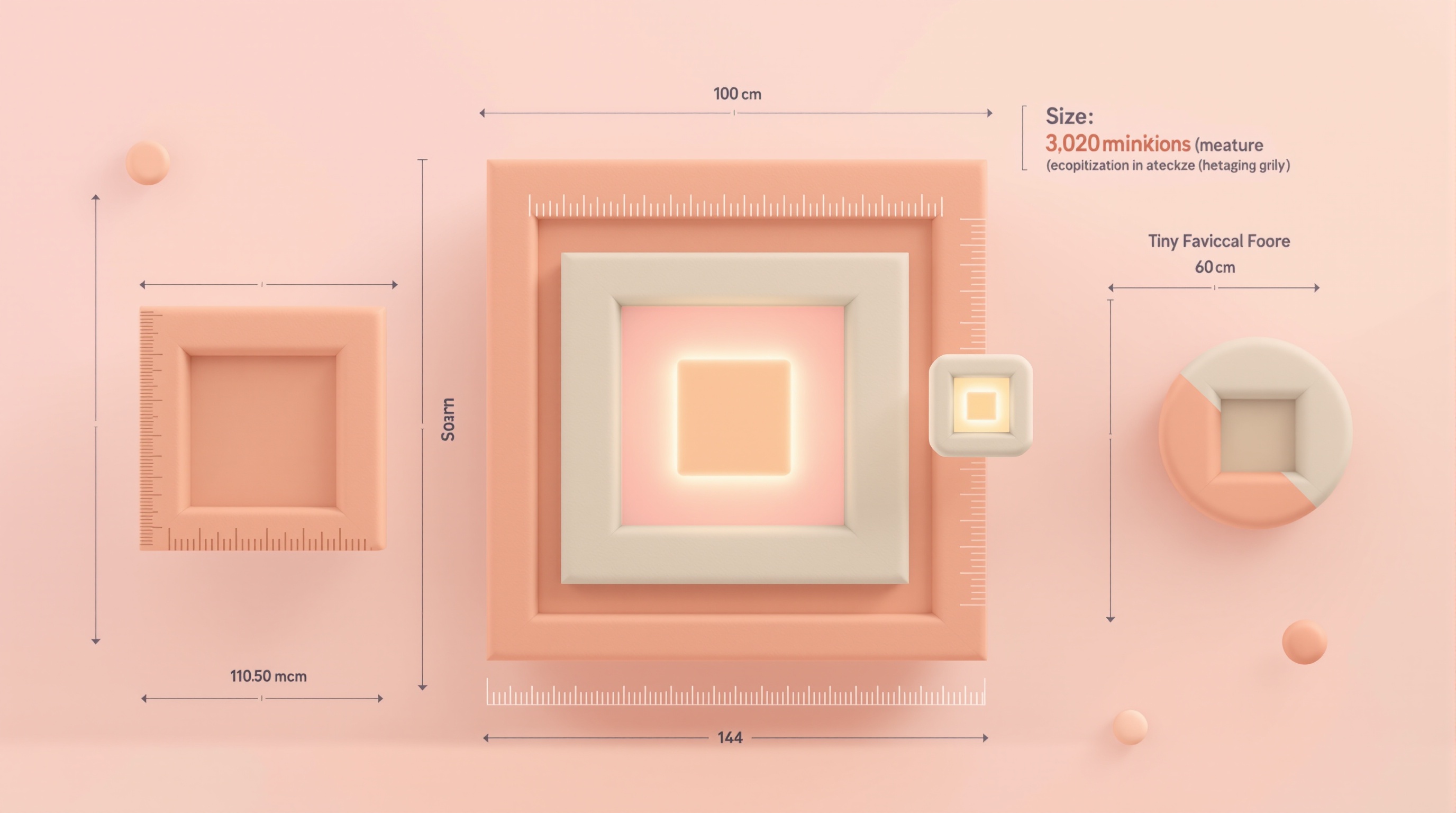
Modern favicons often involve multiple sizes and (sometimes) formats. Different browsers and devices look for different icons depending on context—for example:
- 16×16 (common for browser tabs)
- 32×32 (common for bookmarks and some desktop contexts)
- 180×180 (common for iOS “apple-touch-icon”)
The ICO format is still widely used for compatibility, while PNG is common for modern browsers due to clean transparency and sharp edges.
Color and contrast matter at small sizes. High-contrast designs with limited color palettes usually outperform detailed gradients or thin-line illustrations.
Keep favicon files lightweight so they don’t add noticeable overhead on every page load. (VERIFY: your framework/CDN defaults and image settings can change what “lightweight” means.)
A “Minimum Viable” Favicon Setup (Recommended)
If you want the simplest setup that works for most sites, aim for:
/favicon.ico(for broad browser compatibility)- A
32×32PNG (common for many modern browsers) - An Apple touch icon
180×180(for iOS home screen)
Your generator and CMS may produce different filenames—use whatever it outputs, but keep favicon.ico at the site root if possible.
Choosing the Right Source Image

Start with your highest-resolution logo file. Vector formats (SVG, AI) are ideal because they scale without quality loss. For raster images, use at least 512×512.
Simplify complex designs before generation. Remove fine details, thin lines, and small text that disappear at 16×16. Focus on the most recognizable element of your brand.
Test readability at target size first. Shrink your source image to 16×16 pixels in any image editor. If you can’t recognize it, simplify further before using a favicon generator from image.
Consider favicon-specific variations. Many strong brands use a simplified version of their full logo for favicon use. That’s not inconsistency—it’s smart adaptation for tiny sizes.
Square aspect ratios work best. Rectangular logos need careful cropping or padding so the favicon doesn’t look squished.
Step-by-Step Favicon Generation Process

Prepare your source image
- Export a clean, centered square image (or a version that crops well).
- Use a solid, high-contrast mark where possible.
Upload it to a generator
- Upload your image to a favicon generator tool and look for multi-size previews.
Inspect the smallest preview first
- The 16×16 preview is the real test.
- If it looks muddy or indistinct, simplify the source image and try again.
Generate and download your favicon files
- Generate the favicon files you need for your site. Many generators can output multiple sizes and formats from a single source image—confirm the download includes what your platform expects (commonly ICO and a few PNG sizes).
If you want a fast way to create favicon files from an image (or text), use Nomely’s tool: Favicon Generator.
Implementation and Testing Best Practices

Upload favicon files to your website so they’re publicly accessible. For maximum compatibility, favicon.ico is commonly placed at the site root so it resolves at:
https://yoursite.com/favicon.ico
Add proper HTML tags to your site header. Modern implementations often use multiple tags (not just favicon.ico).
Copy/Paste HTML Tags (Use What Matches Your Files)
Add these inside your site’s <head>. Update filenames/paths to match what you uploaded:
<link rel="icon" href="/favicon.ico" sizes="any">
<link rel="icon" type="image/png" href="/favicon-32x32.png" sizes="32x32">
<link rel="apple-touch-icon" href="/apple-touch-icon.png" sizes="180x180">
(VERIFY: Some frameworks—like Next.js, WordPress themes, and Shopify—manage icons for you. If your platform auto-injects these tags, avoid adding duplicates.)
Test across multiple browsers and devices. Chrome, Firefox, Safari, and Edge can display icons differently, and mobile testing matters too.
Clear browser cache during testing. Browsers cache favicons aggressively—use an incognito window or hard refresh to confirm updates.
Monitor loading performance. Favicons load frequently (often on every page), so ensure they’re not unusually large.
Quick Favicon Validation Checklist:
- ✅ Displays clearly in browser tabs at normal size
- ✅ Remains recognizable when multiple tabs are open (compressed view)
- ✅ Appears correctly in bookmark lists
- ✅ Shows properly on mobile home screen shortcuts
- ✅ Loads quickly without impacting page performance
Common Favicon Mistakes and Solutions
Using the full logo without simplification is the most frequent error. Complex designs become illegible pixel soup at favicon sizes. Always create a simplified version.
Example: If your logo is a full wordmark, your favicon is usually just the mark/initials—not the entire name. Pick one bold shape (or 1–2 letters) and remove everything else.
Ignoring mobile requirements can create a poor experience on smartphones and tablets. Mobile icons can be displayed larger than tab favicons, so quality matters.
Skipping cross-browser testing leads to inconsistent brand presentation. What works in Chrome may look off in Safari or Firefox.
Forgetting to update favicons after a rebrand creates confusing mixed messaging—users may keep seeing the old icon in bookmarks for weeks.
Using inappropriate file types or missing icon files can trigger browser fallbacks to generic icons, wasting the branding opportunity entirely.
Professional favicon implementation signals brand maturity to users, partners, and potential customers. Start with a high-resolution source image and simplify ruthlessly for 16×16 recognition—that one habit eliminates most favicon failures.
Tools like Nomely’s Favicon Generator streamline the process by turning a single source image into favicon files you can install and test across browsers and devices.
---